The breast cancer journey is so different for everyone who undertakes it. All the amazing women I know who have been through this, or are going through it now, have had different experiences with their diagnosis, treatment and side-effects from medication or surgery. I’m by no means an expert and haven’t had any experience with chemotherapy or radiotherapy – but maybe some of the things I have learnt along the way can help make someone else’s journey a little easier, so I have tried to summarise some here:
Doctor’s visits
– If you don’t get given them, ask for copies of your results (needle biospy, core biopsy, post-surgery cystology etc) as even though the doctor (or their nurse) will summarise the key facts for you, you may want to refer back to them later to get more detail.
– Take notes in your appointments, as sometimes your brain is too overwhelmed to remember everything you get told – get a notebook / diary / organiser to store all your notes in one place (and I also bought a plastic document pouch thing to store all my letters, test results etc in.
Anxiety
– Try to not let your brain race ahead – I know this is a tough one, but you need to deal with things one step at a time and not try to guess what your treatment options or side effects will be. One step at a time is much more manageable.
– If you need to, see your GP about taking some anti-anxiety medication short-term just to help get you through.
– Avoid situations and people that add to your anxiety. Sometimes people think they are helping when they are not, and you need to focus your energy on your recovery by putting some distance between you and any avoidable stress. Surround yourself with positive people.
Cancer Society
– The New Zealand Cancer Society is amazing. I didn’t need to use them much, but they were excellent when I did.
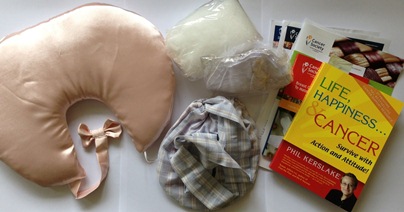
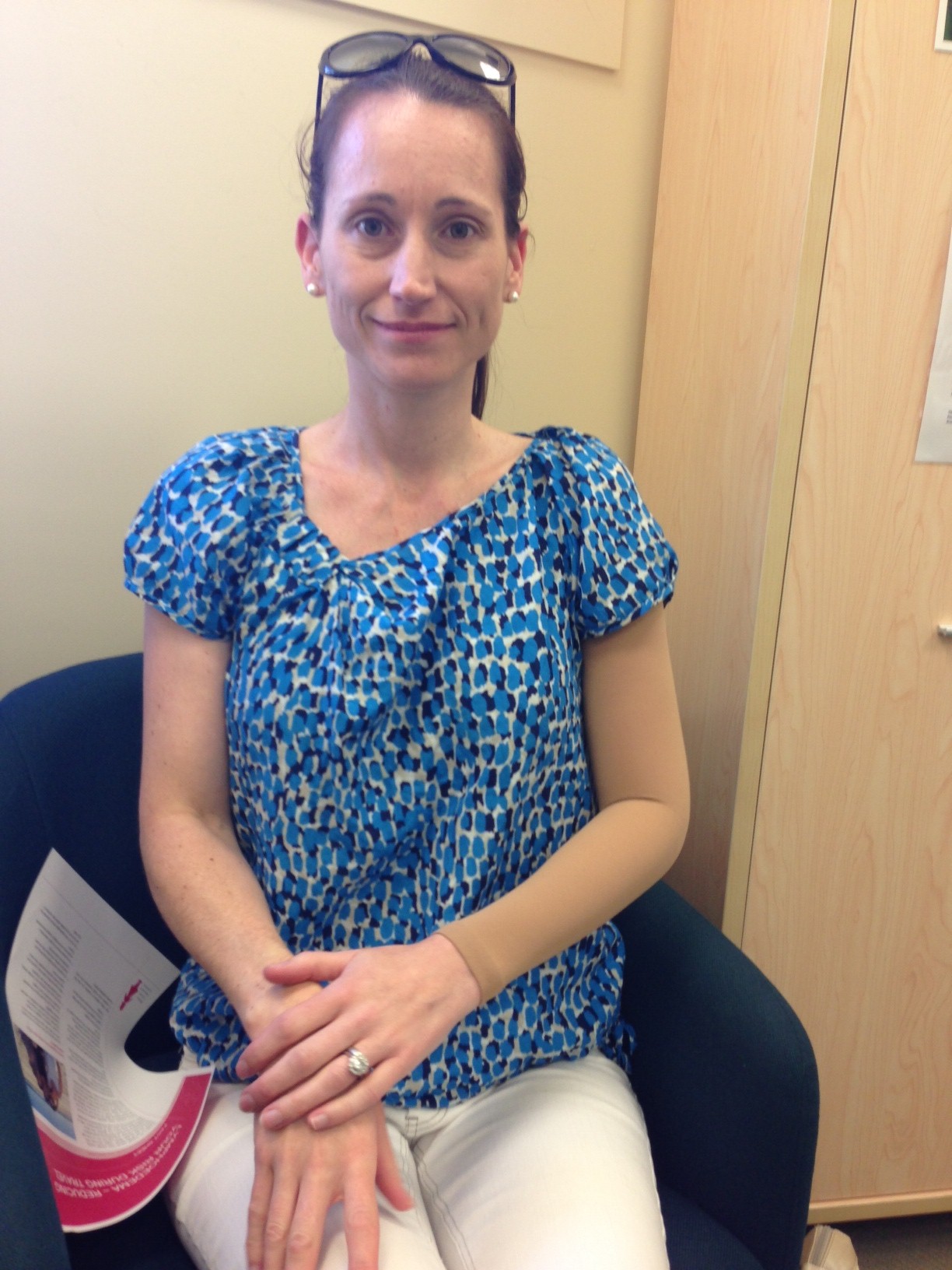
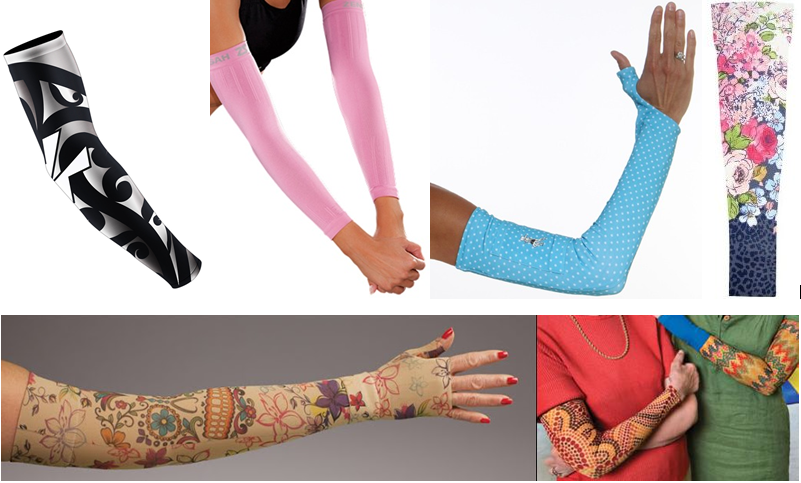
– If you don’t really feel ready to get involved with the Cancer Society, I would recommend you to at least pop in to check out their resources so that you will know what is on offer for when you do need something. Luckily I went to see them a few days before my surgery and got a couple of things that really helped me: a silky pillow that loops under your armpit and really helps keep your arm away from your side after surgery (I used it when sleeping), and a drain bag (which was brilliant for carrying around my annoying post-surgery drain vac). The Cancer Society also loaned, and then sold, me a compression sleeve which helps reduce my lymphedema risk when flying long-distance.
Surgery
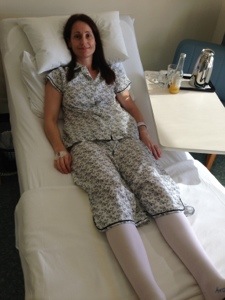
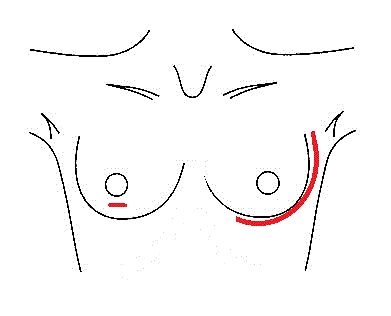
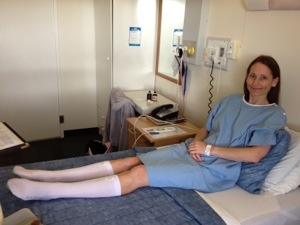
– When I had my mastectomy and reconstruction surgeries, I found the most comfortable thing to wear afterwards was a nightshirt that was a few sizes too big. Buttons down the front help with getting it on and off (and provide easy access for medical professionals who want to look and poke).
Nerve-pain in Arm
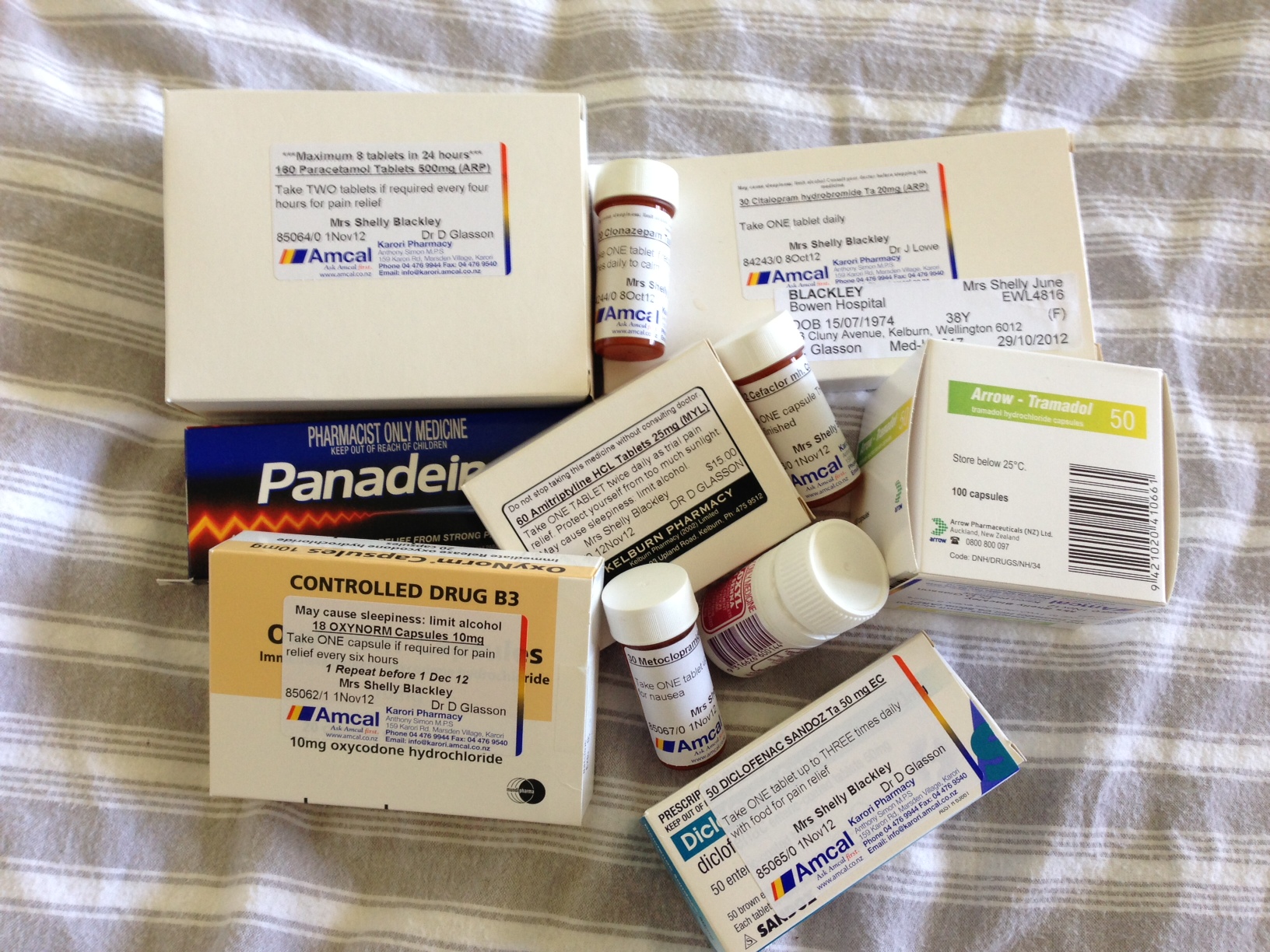
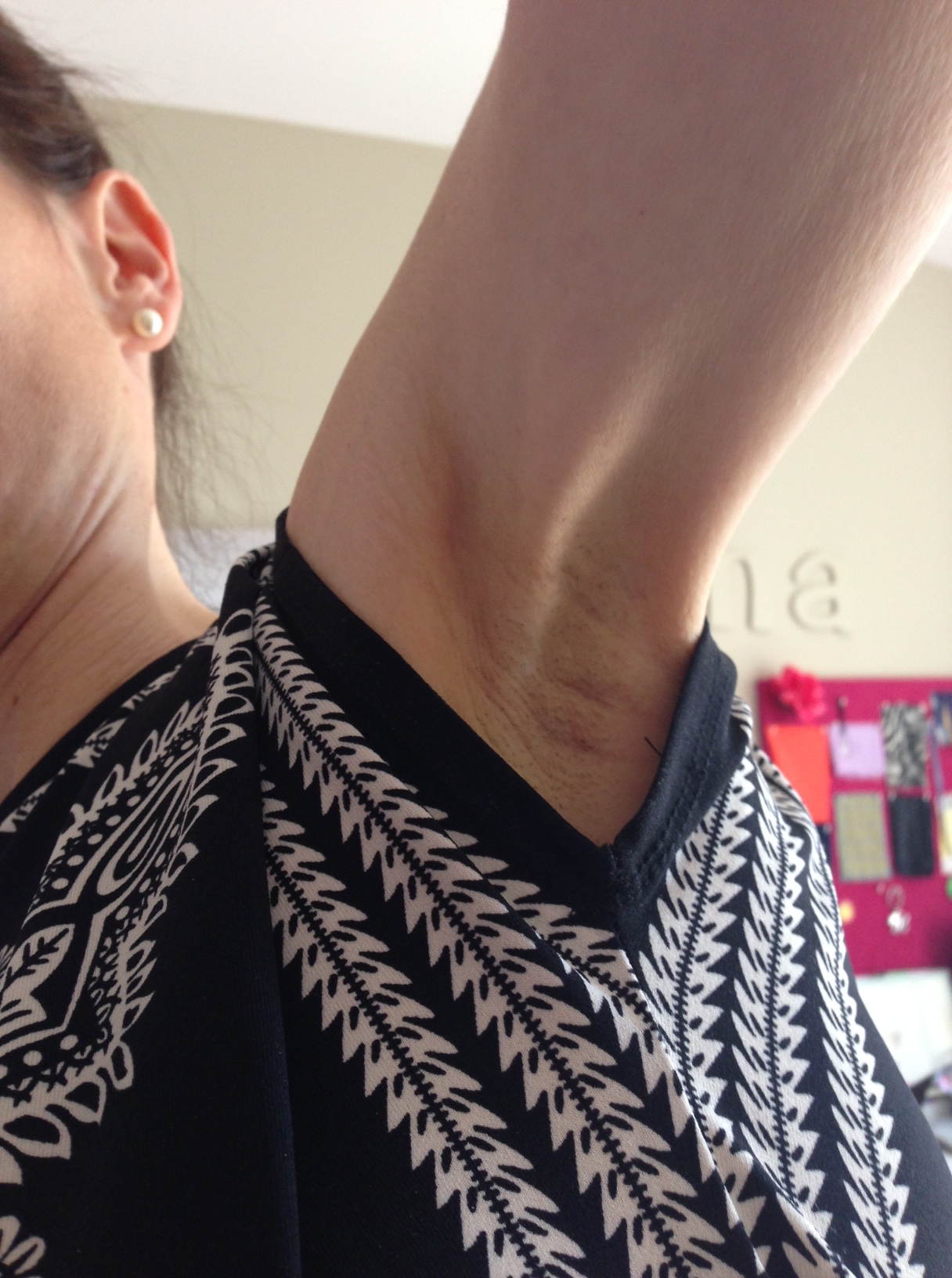
– If you have lymph nodes removed, this usually causes damage to the nerves in the arm. This can cause numbness, painful tingling and an almost burning sensation. Mine continued for months and is still not completely gone. If it is too annoying and persistent, talk to your doctor as mine prescribed me Amitriptyline. It is commonly used as an antidepressant, but also works well at blocking nerve pain. I took it for a while until the nerve pain improved. It does cause sleepiness, a fuzzy-brain, and makes it hard to get up in the morning, but after a while your body does adjust and then it doesn’t knock you out nearly as much.
Insomnia and night sweats
– If you aren’t taking medications that help with sleep or cause drowsiness, you will likely suffer some insomnia as a result of your treatment or the stress of thinking about what you are going through. Some of the treatments can also cause nightsweats (such as the Tamoxifen I am on for five years) which interrupts sleep. Flaxseed oil or evening primrose oil helps reduce nightsweats and I have had good results using melatonin to help with insomnia (although this is readily available over the counter in the USA, I believe it is a prescription medicine in New Zealand).
Cording / Axillary Web Syndrome
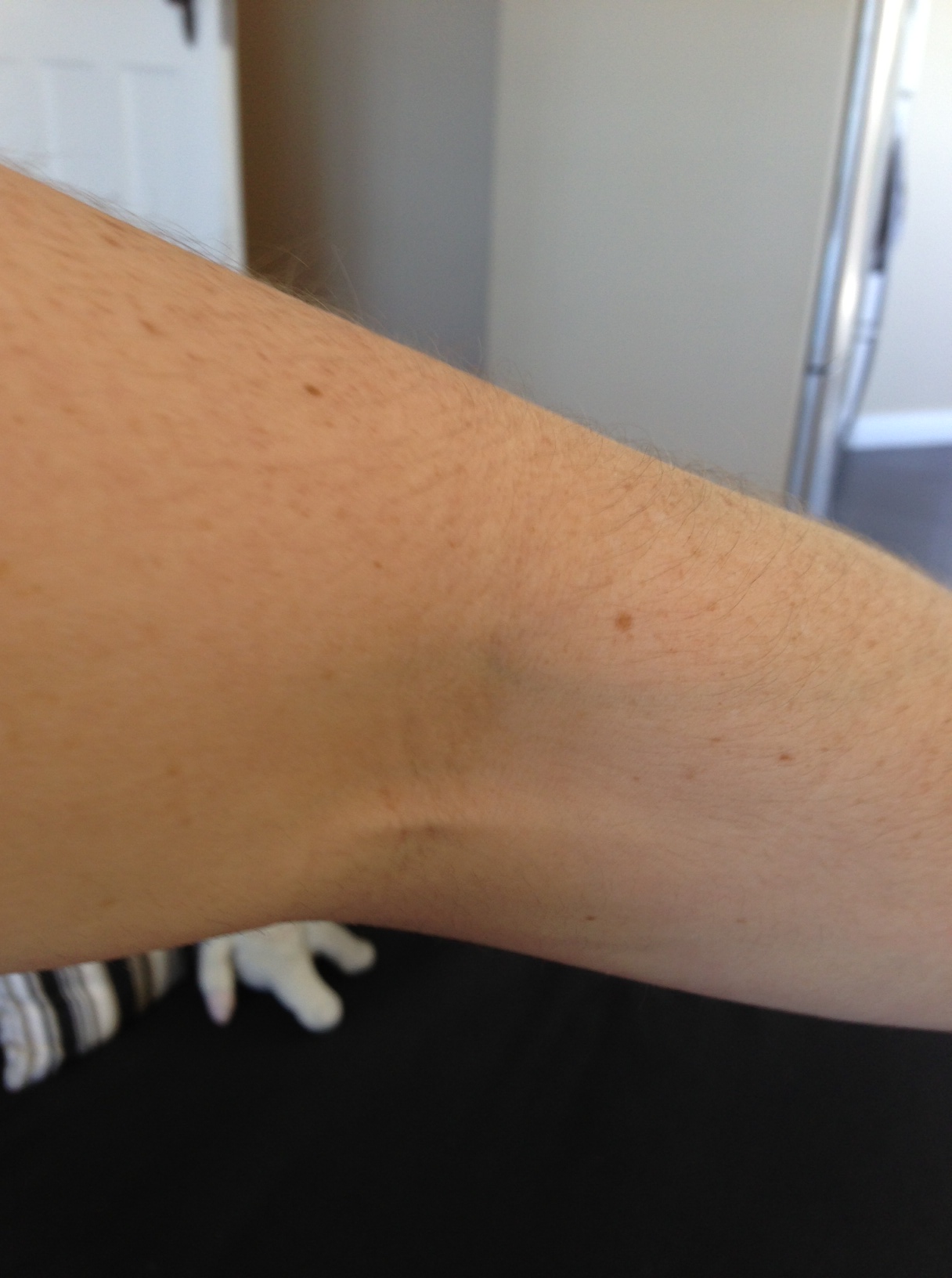
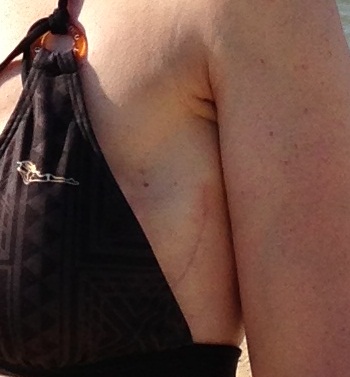
– Lymph node removal (and breast surgery) can cause axillary web syndrome (or cording). Not everyone get it, but I did. It is thought that the cause is the scarring and hardening of blood vessels, lymph vessels or nerves and leads to string-like cords to run under the skin restricting movement. The first symptom is usually feeling your arm movements are becoming more restrictive and it becomes painful to fully extend your arm. They can run out from your armpit, down under the skin through the inner elbow to the wrist, and even down your chest wall over your ribs. They can be painful to stretch or touch. They do improve with time – but can take months to go away. I recommend stretching them as much as you can – waving your arm up and down, washing windows, painting, that kind of action, and rubbing your fingers along the cords to stretch them. Some people get physiotherapy for cording, but I just exercised through it at my own pace/pain tolerance.
Constipation
– Boy oh boy there are a lot of medications involved when you are undergoing cancer treatment. A lot of them, including general anaesthetics for surgery, can cause constipation. Definately take as much medication as you need to not be in pain etc, but I recommend weaning off it as soon as you are able to (within doctor’s recommendations), and after surgery, if your doctor says it is ok for you, Coloxyl (which you can get over the counter at the chemist) is a great thing to take to prevent / cure constipation. I wish I had started taking this the day after my mastectomy – it would’ve saved me almost passing out on the toilet! Other options are kiwi-crush (which I tried) and glycerine suppositories.
Medication
– If you have to take a lot of medications, you might be best to write up a chart to ensure you take them all at the required times – or buy one of those compartmentalised plastic boxes where you put tablets in a slot for each time of the day.
– Remember to check if medications need to be taken with or without food or water – and if bedtime is recommended. If medicines have strong side effects you could also check with your dr about options – mine suggested cutting one of my medicine tablets in half and taking half in the morning and half at night to help with side effects.
Communication
– As soon as I was diagnosed I setup this blog. I have found it to be a fantastic way to keep all of my family, friends, work colleagues and others up to date with my journey and my recovery. I have often re-read many of my posts just to process things and have found it to be very carthartic. It was so much easier than having to email/phone or facebook spam everyone. Of course I still come across people who either haven’t heard about my diagnosis or who are surprised I still have my hair (because they heard I had cancer but hadn’t heard that I didn’t need chemo), but I don’t have to repeat my story too often. I am planning to use blog2print.com to print my blog in book format to keep as a record of my journey – particularly for my two daughters.
Staying Positive
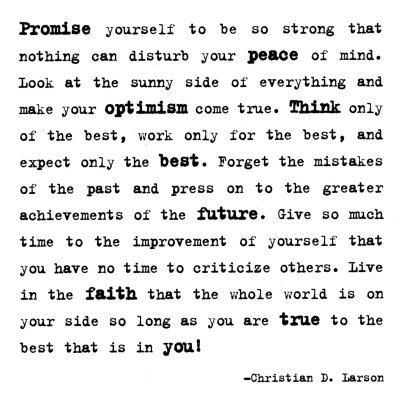
My final advice, is about attitude…. everyone says it, but I really believe it – A positive attitude will make things so much easier – for you and those around you.
Just take one step at a time.
x